Filipino food guide
Siomai vs Hakaw
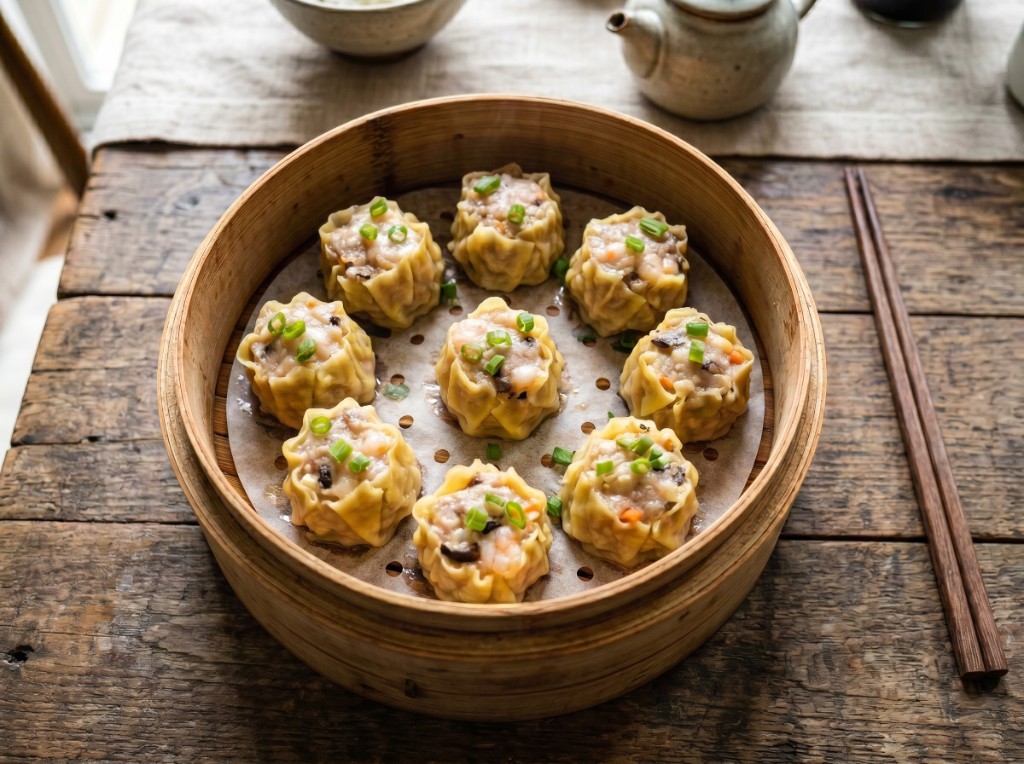
Quick answer: Siomai is an open-topped dumpling with pork, shrimp, or mixed filling in a pleated wonton wrapper. Hakaw is a closed shrimp dumpling with a thin, translucent wrapper. Both are dim sum favorites in the Philippines, but siomai is more common at street carts and merienda stalls.
Siomai
Filipino siomai keeps the filling visible on top. Classic versions use ground pork, shrimp, and sometimes shiitake, then steam in bamboo baskets. It is the dumpling you see at school gates and mall food courts.
Hakaw
Hakaw (har gow) is shrimp-focused and fully wrapped. The skin should be thin enough to see the pink shrimp inside. It needs careful folding and steaming so the wrapper stays tender, not gummy.
Wrapper and Texture
Siomai uses thicker wonton-style skins that pleat easily. Hakaw uses a starchy wheat and tapioca wrapper made for translucency. They are not interchangeable in recipes.
When to Choose Which
Make siomai for home merienda, party trays, and beginner-friendly steaming. Choose hakaw when you want a more delicate dim sum spread and are comfortable with dumpling folding.
Recipes Mentioned

FAQ
Is siomai Chinese or Filipino?
Siomai comes from Chinese dim sum, but the Filipino versions with pork, shrimp, and street-style sauces became their own local favorite.
Can I use siomai wrappers for hakaw?
No. Hakaw needs a special thin wrapper. Wonton skins are too thick for classic hakaw.
Which is easier for home cooks?
Siomai is easier because the filling stays open on top and the wrapper is more forgiving.