Pinakbet
Pinakbet (Pakbet)
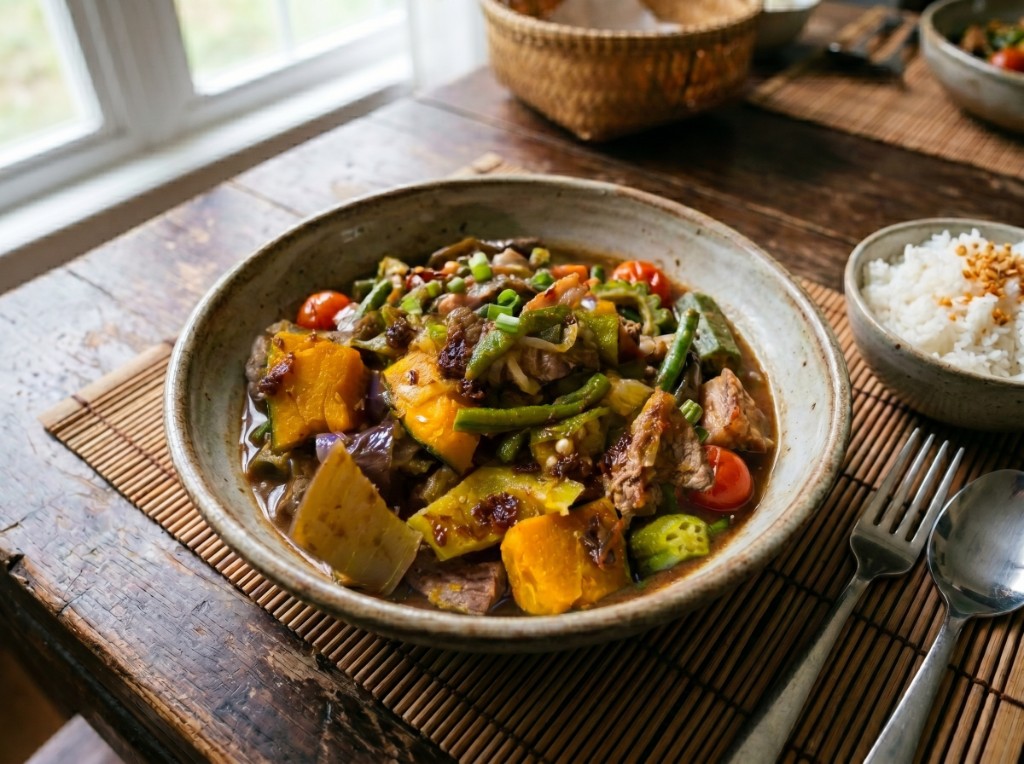
Ilocano pinakbet with ampalaya, eggplant, okra, squash, and bagoong—a vegetable ulam that is bitter, savory, and deeply Filipino.
Serves 6 · 45m total
The Story
Pinakbet is Ilocano vegetable cooking at its most honest: whatever is in the garden, stewed with bagoong and often finished with crispy bagnet or lechon kawali on top.
The name comes from pinakebbet, meaning shrunk or shriveled—the vegetables cook down and absorb the salty fermented shrimp paste. Ampalaya brings bitterness, okra thickens slightly, and squash softens into the stew.
It is not a pretty dish in the Western sense, but on a Filipino table with rice it is perfect: bitter, salty, and meant to balance fried or fatty ulam on the same plate.
Best paired with
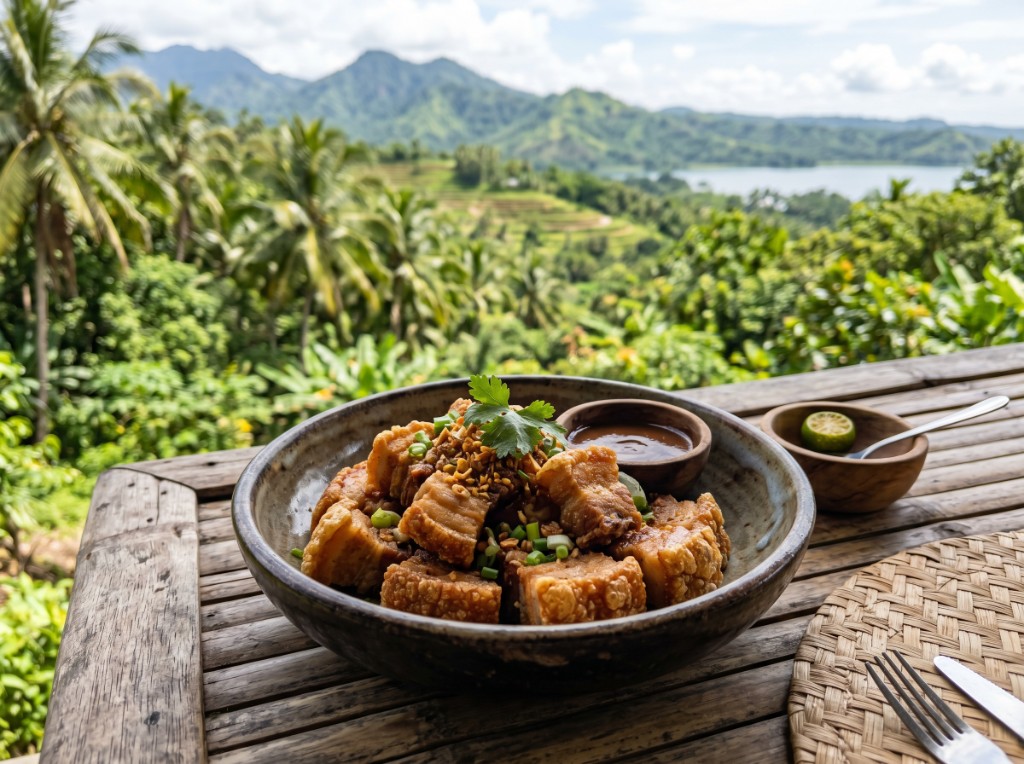
Steamed rice, bagnet or lechon kawali, and extra bagoong on the side.
Lola's Tips
- ✦Add vegetables in order of cooking time—hard squash first, delicate leaves last.
- ✦Use less bagoong at first; you can always add more but cannot take salt back.
- ✦Do not overcook ampalaya if you want some bite left.
- ✦Crispy pork on top is traditional but optional for a lighter version.
Substitutions
- bagoong alamang → bagoong isda (fish paste)
- bagnet or lechon kawali → crispy fried pork belly strips or skip
- ampalaya → extra eggplant and okra
Ingredients
placeholder
placeholder
placeholder
placeholder
placeholder
placeholder
Instructions
- 1
Heat oil in a wide pan. Saute garlic, onion, and tomato until soft.
- 2
Stir in bagoong and cook 1 minute. Add squash and water. Simmer 5 minutes.
- 3
Add string beans and eggplant. Cover and cook 5 minutes.
- 4
Add okra and ampalaya. Cook 5 to 7 minutes until vegetables are tender but not mushy.
- 5
Top with crispy pork if using. Serve hot with rice.
Kitchen Timer · 20 min prep first
25:00
Tried this recipe?
Questions, corrections, or a photo of your Pinakbet? We read every message—no comment section, just a direct line to the kitchen.